On paper, a pumping plan may seem simple: water needs to be pumped from one place to another. However there are a myriad of factors which can influence the distance between two locations including: elevation and flow rate, solids, pressure, storage capacity, and access to maintenance.
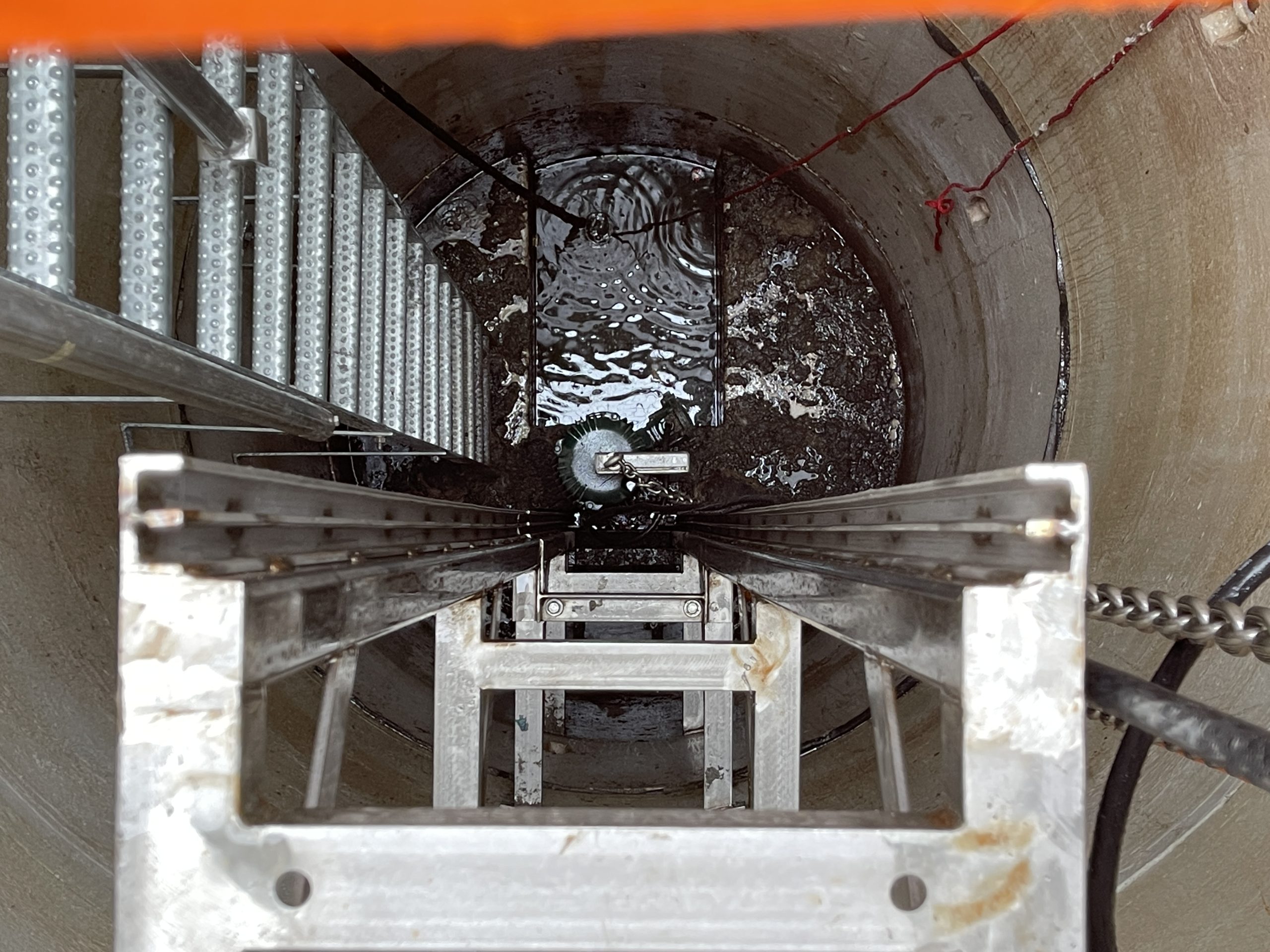
Image credit: romtecutilities.com
For Romtec Utilities, designing a pump station begins by defining those operating conditions rather than selecting equipment from a standard catalog. The requirements for the project could be used to come up with sketches and budgetary details.
Start With One Question What’s the Next Step?
The technology is updated immediately.
There are significant variations in the rate of flow of household sewage. A wastewater lift facility must transport the wastewater in a reliable manner when gravity conveyance is inaccessible or is insufficient. Engineers should take into account the following: expected inflow and peak conditions, pumping capacity, behavior of the wet well as well as the way in which equipment is operated and maintained.
There are a variety of challenges that arise with industrial water. The fluids utilized in a manufacturing or processing facility could require caustic or oily, or heated at high temperatures or pressure. Romtec Utilities designs industrial systems for applications that range from food processing and power generation to data centers as well as pharmaceutical waste and oil and gas facilities.
Rainfall Creates an Entirely Different Operating Cycle
Stormwater systems could be able to endure long periods of a lack of activity and then face substantial quantities during a hurricane.
For example, a stormwater lift station with a detention basin is required to be in line with the drainage plan for the area. Runoff enters a basin. The temporary storage controls the volume instantly. The pumping system transfers the water to an outlet that is approved.
Romtec Utilities supplied this type of solution for a company park in Norco, California. The development needed the construction of a pumping station that would empty a detention facility into the public stormwater drainage system. The station was therefore required to be engineered as part of the development’s drainage infrastructure, rather than being treated as isolated equipment.
“Package” Doesn’t need to Mean Off-the-Shelf
Many people believe that a system for pumping packages is just a predetermined set of components.
Packaging is a method to coordinate the major components of a particular project. Meters, pumps, valves, controls, communications, structural elements, and other equipment may be chosen based on the requirements of the duty conditions.
This method is particularly useful in situations where the new system has to be connected to an existing infrastructure. The industrial plants and the existing municipal facilities may not provide a lot of space to install or maintain clear conditions. It is possible to alter equipment to accommodate existing structures, piping, electrical systems and schedules.
Capacity planning is a real issue
The cost of undersizing is particularly high when facilities grow.
Romtec Utilities, a Portland International Airport utility company, created and supplied a sewer interceptor lifting station for the PDX Next project. The new station was required been designed to have twice the capacity at peak flow because the airport has grown.
This is a great illustration of a fundamental engineering concept: Design conditions must not be limited to what a facility can handle on the typical afternoon. Engineers should also be aware of what happens when demand peaks.
The job is not finished until the equipment is delivered.
At some point, drawings and calculations will need to be transformed into an operational system. Installation coordination as well as startup and testing, documentation and understanding are all vital for the long-term performance.
After a few years, the efficiency of engineered pumping system is measured. The decisions made in the initial design are clear when the pump needs to be maintained flow increases or storms strike.
For Romtec Utilities, integrating these choices into a comprehensive specific pumping program helps turn individual pieces of equipment into infrastructure designed for the conditions it’s likely to encounter.