The month has come to an end. The month is finished.
Then, you should check the bank account of the restaurant.
The number may not be what you would have expected.
For restaurant owners, this gap can be frustrating as the cash flow and profit seem like they should provide the same information. Both of them don’t match together. A P&L examines the financial performance of a company for a particular time period, whereas it is a bank account that shows the actual timing of money flowing into and out of he business.
Understanding the differences can allow owners to change their perception of restaurant financials.
Take a look at the typical week. Customers pay for food. Employees must be paid. Invoices for food and beverages are handed out. Rent is on the verge of being due. The time frame for credit card transactions is different. Sales tax is collected, but it is an obligation.
Already the next week’s purchases have begun.
Looking only at revenue or the ending profit number isn’t a good way to assess the full scope of what happens.
Prime Cost could be the Key to the Answer
If restaurant profits begin to move in the negative direction, the food, beverages as well as labor costs require consideration.
Cost of the goods sold with labor is the primary cost. The bookkeeping chef’s guideline places the prime cost at between 60% to 65 percent of revenues for a variety of restaurants, while focusing on the importance of monitoring weekly rather than waiting until the close of each month.
Effective prime cost management is less about obsessing over a single percentage and more about noticing movement early.
Imagine that the restaurant’s results are generally within its target however this week, it was higher. Perhaps overtime was increased. Maybe the costs for beverages were stable, but food costs increased. The chef may look over menus and portions, waste along with vendor invoices and purchasing if the food percentage is greater.
The percentage raised the question. The restaurant’s activity is the answer.
Weekly reports allow for this discussion to occur in the midst of everyone being aware of what’s happened.
The details are more difficult to recall two or three days later.
Then, the Vendor Bills arrive.
A restaurant might purchase its ingredients in the week ahead, but pay for these items in the future. This can help explain the reason why profit alone isn’t enough to answer every cash question.
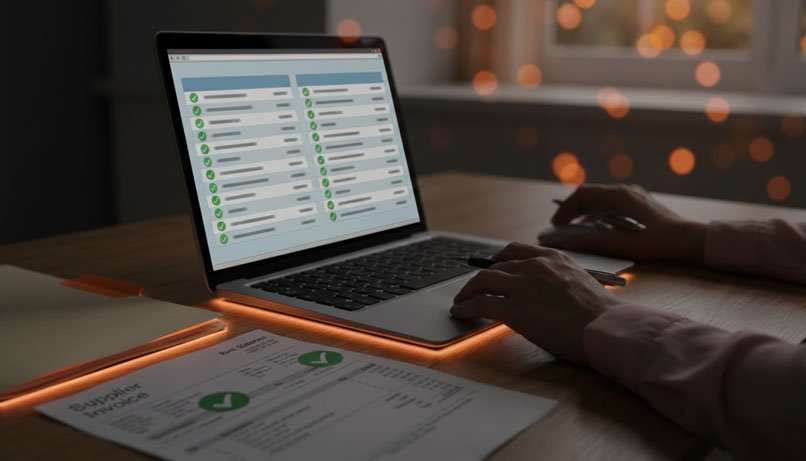
Invoices from vendors must be tracked, accepted and paid. In a busy operation with many suppliers, completing that manually can become the company’s own administrative task.
Automating accounts payable helps to streamline this process by eliminating the need to handle bills in a repetitive manner and payment information. These bookkeeping systems are also able to provide the user with a more clear image of the obligations that haven’t yet reached the bank account.
This is because the bank’s balance in isolation can look healthier than a restaurant’s current position.
There may be $80,000 sitting in the account today. It could mean something different if rent, payroll and vendors obligations will consume a large amount over the next few days.
Forecasting cash flow is a natural result.
What will happen with our cash after we’ve gotten the amount we’ve hoped for and have met our obligations?
The distinction can matter when deciding if it is the right time to upgrade equipment, make an extra purchase, or keep liquid funds.
It is possible that you weren’t entitled to all the money you thought.
Sales tax highlights this point especially well.
A restaurant collects money from customers that eventually must be disposed of according to tax requirements. If these funds are placed in the same category as operating cash, the balance in the bank can create a misleading sense of what is there to be spent.
The consistency of the records helps restaurants comply with sales tax regulations while also providing management an accurate view of their financials.
Restaurant accounting is more effective when the financial obligations of each restaurant are not considered separately.
Prime cost affects margin. COGS (cost of goods sold) and future payments are affected by purchases made by vendors. Payroll can affect the amount of cash available and also the labor percentage. Cash flow is impacted by the sales tax. P&Ls track financial performance, while forecasting allows management to see the future.
The pieces are connected.
Bookkeeping Chef combines restaurant-specific reports along with system integrations. Outsourced bookkeeping services that are specifically tailored to your needs are a great option for operators who aren’t able to reconcile their financial information. They are able to handle the bulk of the accounting tasks but without taking the owner away from discussions about finances.
The last point is vital.
It’s not the goal for restaurant owners to stop examining their books because someone else does. It is important that owners are informed so that they know the situation.
When the P&L indicates that the restaurant made money, but the bank account feels extremely unbalanced, don’t think that one of the numbers could be off.
Find out what transpired between you and your partner.
The answer to this question will tell you more about the restaurant than just the name.